Living in a city comes with undeniable advantages, such as better infrastructure, access to healthcare, and vibrant lifestyles. However, city living usually presents people with a great deal of air pollution, which can cause severe consequences on their respiratory health. As the number of related diseases, such as Asthma and Chronic Obstructive Pulmonary Disease, has increased, having healthy lungs has never been more important. Luckily, you can safeguard your lungs despite the contaminated environment with proper practices and precautions.
1. Monitor Air Quality Regularly
Air Quality Index (AQI) levels fluctuate daily, especially in urban areas. Monitoring AQI on a mobile or weather forecast helps you in scheduling your activities. On days when pollution levels are high, limit outdoor exposure, particularly during peak traffic hours. This is a simple habit that can help a great deal in limiting the number of harmful particles that you breathe.
2. Use Protective Gear Outdoors
When stepping outside in polluted conditions, wearing a high-quality mask (such as an N95 mask) can act as a barrier against harmful pollutants, dust, and allergens. Although this can be only a little step, wearing protective equipment regularly will decrease your chances of experiencing respiratory irritation and lung damage in the long run.
3. Improve Indoor Air Quality
Ventilation is also critical; open windows when outside air quality is better to bring in fresh air. Plants such as aloe vera can also help to improve air quality, but they should supplement mechanical filtration, rather than substitute it.
4. Avoid Smoking and Secondhand Smoke
Quitting smoking is the most significant choice you can make in regard to respiratory health if you are a smoker. Also, it is advisable to avoid exposure to secondhand smoke, which is also harmful. Your lungs are already being subjected to pollution in the urban setting; smoking is only going to worsen the situation.
5. Stay Physically Active, But Choose Wisely
Exercise such as walking, jogging, and cycling is great for maintaining the health of the lungs. It is best to exercise early in the morning when there is comparatively lower pollution and in parks or green areas with minimal traffic.
6. Practice Breathing Exercises
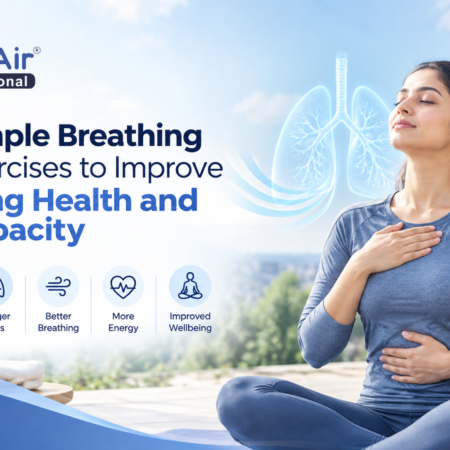
Breathing exercises are a natural way to strengthen your lungs and improve oxygen intake. Deep breathing, diaphragmatic breathing, and pranayama are techniques that can improve lung efficiency and reduce stress. These exercises can help improve your lungs in spite of environmental factors by practicing them daily.
7. Maintain a Lung-Healthy Diet
Include foods rich in antioxidants, such as fruits (berries, oranges) and vegetables (spinach, broccoli), to combat inflammation caused by pollution. Nuts and fish contain omega-3 fatty acids, which help in maintaining respiratory well-being.
8. Get Regular Health Check-Ups
Regular check-ups with the physician can aid in the early detection of respiratory complications before they develop into serious conditions. In case you have symptoms such as persistent coughing, shortness of breath, or wheezing, seek medical attention as soon as possible.
9. Reduce Exposure to Indoor Pollutants
Cleaning agents, incense sticks, and even cooking fumes can be sources of indoor pollution. Cleaning products are to be natural or low-chemical; the kitchen should be well-ventilated, and there should be no unnecessary burning of materials in the house.
10. Stay Updated on Vaccinations
Respiratory infections can weaken lung health, especially in polluted environments. Immunizations such as flu, pneumonia, etc. can be an added protection, especially among children, the elderly, and those with pre-existing lung problems.
Maintaining healthy lungs in an urban environment requires a proactive approach. While you can not control external pollution entirely, you can certainly minimize its impact through informed choices and daily habits.
By prioritizing lung care, you not only enhance your quality of life but also reduce the risk of long-term respiratory diseases. In today’s fast-paced urban world, protecting your lungs isn’t just a health choice; it’s a necessity.