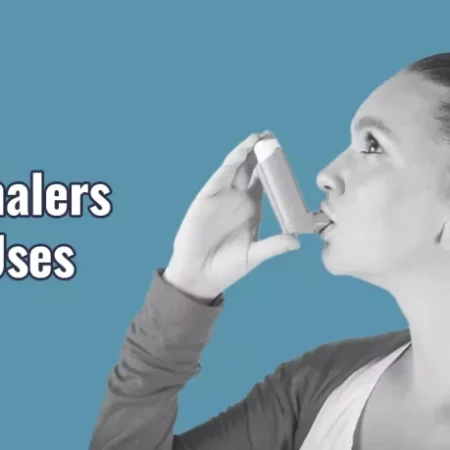
The winter changes the temperature to a lower, drier one and increases seasonal diseases, making the breathing process more challenging, particularly among people with asthma, COPD, allergies, or a weakened immune system. Chest tightness, breathlessness on exertion, or increased cough with cold air will be felt and experienced just as they are among the non-chronic respiratory sufferers.
Knowing how the winter influences the lungs and taking some easy measures to take good care of respiratory health may help to make the season more comfortable and safe.
Why Winter Affects Your Lungs?
Cold air itself is drier and when you inhale it, the sensitive tissues in your airways become dry very fast. Cold air is a significant trigger to the people with asthma.
These viruses swell the airways and breathe in more easily. Moreover, increased indoor time elevates the level of exposure to dust, pet risk and indoor pollutants further worsening the problem of breathing.
Keep Indoor Air Clean and Moist
It is well-known that indoor air quality is important in respiratory health during winter. Humidifiers can not only be used for moistening the air but also for soothing the swollen throat and suppressing cough. The indoor humidity that is ideal for mold prevention is 40-50%.
The dust that gathers may worsen breathing conditions particularly in individuals who are allergic. Also, make sure to have the filters changed and cleaned on a regular basis, to make the air in the house clean and healthy.
Cover Your Nose and Mouth Outdoors
On extremely cold days, you can put your scarf or mask around your mouth and nose and in this way the air that gets into your lungs is heated. This easy measure will help a lot in lowering airway irritation. Individuals affected by asthma or with chronic lung disease must be particularly alert about covering their airways in the presence of cold winds, which mostly occur in the early mornings and late evenings.
Stay Hydrated to Support Lung Function
Drinking enough water helps keep the fluid in the airways thin, allowing it to flow easily. Sticky and thick mucus can cause congestion and block your airways. Hot beverages, such as herbal tea, warm water with honey, or clear soups, can also be soothing and help warm the throat.
Practice Breathing Exercises
Breathing exercises strengthen the lungs and improve oxygen circulation. Techniques such as diaphragmatic breathing and controlled deep breathing may also help alleviate chest tightness in winter. The exercises are to be performed daily to keep the lungs elastic and to reduce breathlessness in cold weather.
Manage Seasonal Infections
Wash your hands frequently, avoid touching your face unnecessarily, and keep your environment clean to reduce contact with germs. Annual vaccinations are also worth considering after consulting a doctor. It is also possible to minimize risks by avoiding crowded or stuffy areas when infection levels are high.
If you experience early signs of infection, such as a persistent cough, fever, or sore throat, seek medical attention promptly to prevent complications.
Avoid Pollution and Smoke Exposure
There is also a significant amount of pollution in most areas during winter due to vehicle traffic, industrial emissions, and stagnant air. To protect your lungs, it is advisable to check the air quality level daily and avoid outdoor activities when the pollution level is high.
You should avoid exposure to cigarette smoke from heating appliances in your home, as well as while cooking without proper ventilation. Ensure the chimneys are clean, the exhaust is adequate, and keep a window slightly open when cooking to prevent smoke build-up.
Stay Physically Active Indoors
Bad weather would restrict outdoor activities; however, exercise is essential to ensure that one has strong lungs. Indoor exercises, such as yoga, gentle stretching, running on a treadmill, or basic exercises at home, can help increase circulation and lung capacity. Exercise also boosts immunity, reducing the chances of infections during winter.
Seek Medical Support When Needed
Regular visits to a doctor help ensure symptoms are well-controlled. Everything should be done regularly and as prescribed, including the use of inhalers, medication, and nebulizers. It is essential to recognize the warning signs, such as ongoing breathlessness, chest tightness, or a reduction in exercise tolerance.