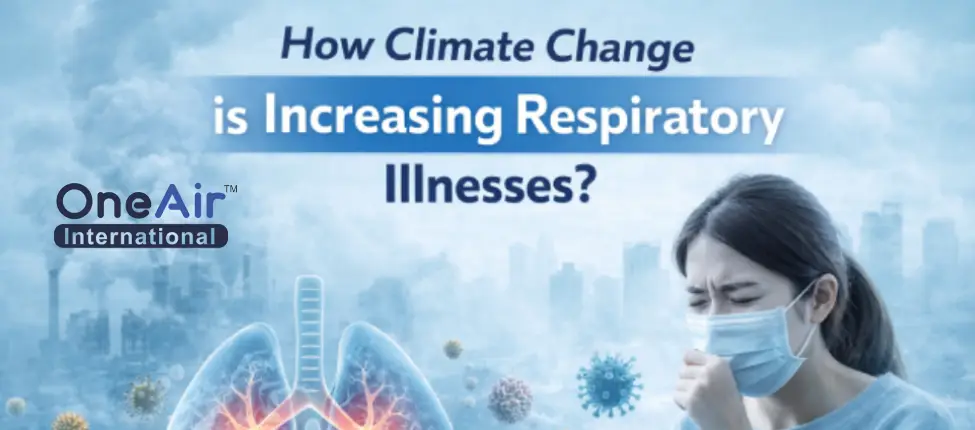
Climate change ceased to be a mere environmental issue; it has become a leading public health problem for millions of people worldwide. Global warming, air pollution, extreme weather, and changing ecosystems are all adding more to the burden of respiratory diseases.
Understanding the connection between climate change and respiratory health is essential for protecting lungs, preventing disease, and promoting healthier communities in the years ahead.
The Link Between Climate Change and Air Pollution
Emissions mean that ground level ozone is produced faster due to warmer air, and ozone is one largest air contaminants that irritates the lungs and causes breathing problems. At the same time, fossil fuels, vehicle pollution, and industrial activity emissions are releasing toxic particles into the air. There are also long-term effects of polluted air, including lung function and early death.
With the increased intensity of climate conditions, pollution patterns are exposing more people to unsafe air.
Rising Temperatures and Respiratory Stress
The frequency and intensity of heatwaves are also rising due to climate change, and high temperatures place an unnecessary load on the respiratory system. Warm air may exacerbate airway inflammation, and breathing air makes it harder for people with asthma and chronic lung disease to breathe comfortably.
Very hot weather can provoke dehydration and aggravate existing lung diseases.
Also, warmer temperatures boost the emission of air allergens and pollutants, which also further worsen lung health.
Wildfires and Smoke Exposure
The result of climate change during the wildfire season is that it is long and intense in most regions. Wildfire smoke is full of toxic gases and microscopic particles, which may spread hundreds of miles and can impact even distant populations.
The smoking may lead to coughing, shortness of breath, chest tightness, and throat irritation. With prolonged exposure, it is more likely to become poor in terms of lung infections, asthma attacks, and permanent respiratory damage.
Increased Allergens and Respiratory Allergies
Plants are generating more pollen than ever and the seasons of allergy start sooner and continue longer. This has led to the increased respiratory allergies, allergic rhinitis and asthma exacerbations. Those who used to be mildly allergic in seasons may now have more severe symptoms and children are growing to be more susceptible to asthma and other respiratory diseases caused by allergies.
The landscape of respiratory health is being transformed by climate-induced alterations in vegetation and the growth of molds.
Flooding, Mold, and Indoor Air Quality
Floods, storms, and heavy rainfall have also become frequent due to the change in climate. The presence of these events usually causes water destruction in houses and structures, which provide the best environment of mold growth.
Poor indoor air quality after flooding can persist for months or even years after the event, especially in communities with limited access to remediation resources.
Spread of Respiratory Infections
The changing weather patterns and the rise in temperature have the potential to change the survival, spread, and infection of populations by respiratory pathogens.
Moreover, post-disaster climate-related displacement and overcrowding are other factors that predispose outbreaks. Such changing patterns of disease demonstrate why increased public health is necessary in an altered climate.
Who Is Most at Risk?
Although it is a universal problem, some groups are particularly vulnerable to respiratory complications due to climate change. These include:
- Children whose lungs are developing
- Older people have smaller lung volumes
- People with asthma, chronic lung disease, or COPD
- Outdoor workers exposed to pollution and extreme weather
The solution to the protection of these vulnerable groups is focused policies, enhanced access to healthcare, and enhanced environmental safeguards.
Steps to Protect Respiratory Health in a Changing Climate
Climate change is a serious problem, but people and communities may minimize the risk of respiratory problems:
- Monitor air quality and limit outdoor activity on high-pollution days
- Use air filters and increase air flow in the home
- Avoid exposure to smoke and allergens
- Wear protective masks during pollution spikes or wildfire events
- Advocate for clean energy and sustainability.
- Strengthen emergency response and health systems.
From worsening air pollution and rising allergens to wildfire smoke and extreme weather, the effects on lung function and breathing wellness are becoming increasingly clear. By understanding the link between climate change and lung health, societies can take proactive steps to ensure cleaner air and healthier breathing for generations to come.